Chicago’s Top Rated Local® Physical Therapy
Is Dry Needling Right for You?
Muscle Trigger Point Dry Needling: What You Need to Know
Have you ever felt a knot in your muscle that just won’t go away, no matter how much you stretch or massage it? These knots are known as muscle trigger points, and they can be quite stubborn and painful. One of the treatments for muscle trigger points is called dry needling. If you haven’t heard of it before, don’t worry – this article will explain everything you need to know in simple terms.
Check out this video demonstration of Dry Needling!
What Are Muscle Trigger Points?
Muscle trigger points are areas of tightness within your muscles that feel like hard, tender spots. Many people call them “knots.” These trigger points are muscle fibers that are caught in a contraction and become deoxygenated and acidic. This energy crisis within the fibers causes the tissue’s pain tolerance to lessen, making them painful and irritable. They can cause local pain and discomfort, and sometimes, they even send pain to other areas of your body. These trigger points often develop due to muscle overuse, stress, or poor posture, and they can make everyday activities uncomfortable.
What Is Dry Needling?
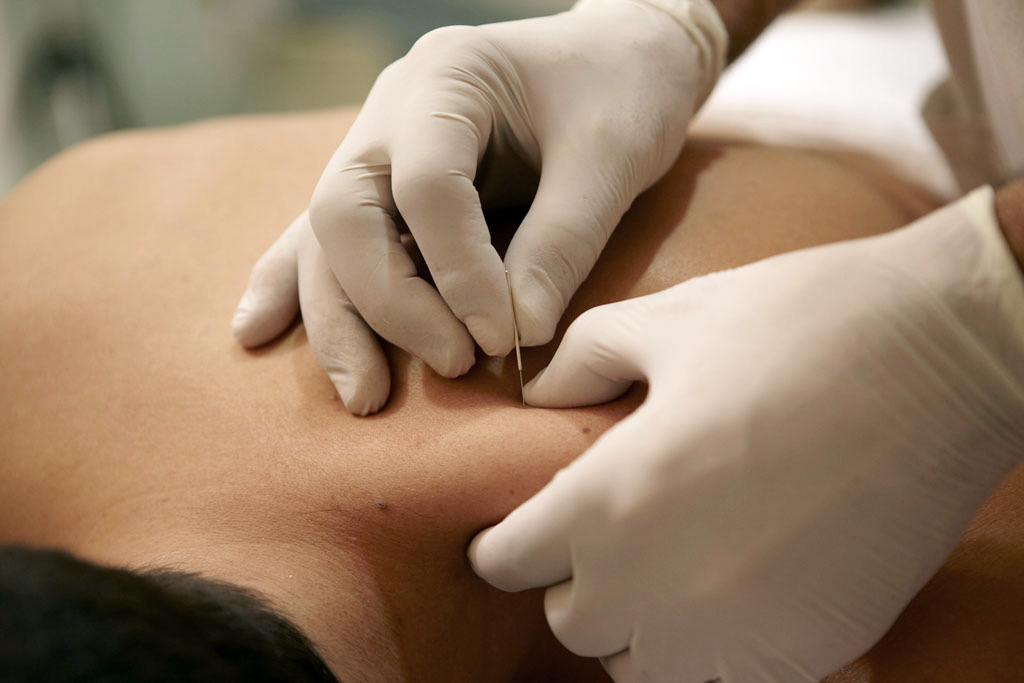
Dry needling is a technique that physical therapists use to treat muscle trigger points. It involves using a very thin needle to target these knots. Unlike acupuncture, which is rooted in traditional Chinese medicine, dry needling is based on modern science and focuses specifically on releasing tight muscles to relieve pain and improve movement.
How Does Dry Needling Work?
The physical therapist inserts a thin needle directly into the muscle knot. This may sound a little intimidating, but the needle is very fine, and the goal is to relax the muscle and reduce pain. When the needle is inserted, it helps to stimulate the muscle, increasing blood flow and encouraging the muscle to let go of its tension. Most people will experience a “metallic zinging” sensation and an involuntary muscle contraction as the muscle releases. This does not occur in every instance, but it is the most common. Many patients feel relief after just a few sessions, although some soreness in the area is common right after treatment.
What Are the Risks?
Dry needling is generally safe when performed by a trained professional, but as with any treatment, there are some risks to be aware of. The most common side effects are temporary soreness or slight bruising around the needle site. Some people may also feel tired or achy for a day or two after treatment – this is normal and should go away on its own. Serious complications are very rare, but it’s always important to make sure your physical therapist is properly trained in dry needling techniques. The most serious complication would be a pneumothorax, which occurs if the needle enters the lung tissue when needling over the thorax. This could lead to temporary shortness of breath and discomfort breathing. Physical therapists are trained to use techniques that greatly reduce this risk.
Is Dry Needling Right for You?
If you have muscle knots that are causing pain or limiting your movement, dry needling may be worth considering. It’s a treatment that aims to get to the root of muscle tension and help your body feel and move better. As always, talk with your physical therapist about your symptoms and whether dry needling could be a good option for your specific needs.