
Chicago’s Top Rated Local® Physical Therapy

The Knee Meniscus: A Crucial Cartilage for Pain-Free Movement
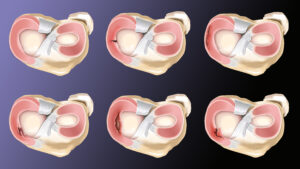
Various types of injuries to the meniscus of the knee
The knee meniscus, often referred to as the knee cartilage, is a small yet essential component of the knee joint. Situated between the thigh bone (femur) and the shin bone (tibia), it serves as a shock absorber and stabilizer, enabling smooth movement and reducing wear and tear on the bones.
Structure and Function of the Knee Meniscus
The knee meniscus comprises two C-shaped pieces of cartilage: the medial meniscus on the inner side of the knee joint and the lateral meniscus on the outer side. These fibrocartilaginous structures are anchored to the tibia and possess a rubbery consistency, allowing them to adapt to the knee joint’s movements.
Meniscus Tear: A Common Knee Injury
A meniscus tear is a prevalent knee injury often caused by twisting or turning the knee forcefully, especially during sports or sudden movements. Degenerative changes in the meniscus due to aging can also contribute to tears.
Symptoms of Meniscus Tear
Symptoms of a meniscus tear typically include:
- Pain in the knee, especially during or after activity
- Swelling and stiffness in the knee
- A sensation of the knee “catching” or “locking”
- Difficulty bending or straightening the knee
Diagnosis and Treatment of Meniscus Tear
Diagnosis of a meniscus tear typically involves a physical examination and imaging studies, such as an MRI, to assess the extent of the injury. Treatment options depend on the tear’s severity and the patient’s lifestyle.
Non-Surgical Treatment Options
For minor tears, non-surgical treatment may be sufficient, involving:
- Rest: Avoiding activities that aggravate the pain
- Ice: Applying ice packs to reduce swelling
- Compression: Using a compression bandage to support the knee
- Elevation: Keeping the knee elevated above heart level
- Pain relievers: Over-the-counter or prescription pain medications to manage pain
- Physical therapy: Exercises to improve strength, flexibility, and range of motion in the knee
Causes of a Meniscus Tear
Aside from direct trauma, essentially a meniscal tear is caused by over rotation of the knee. The knee joint actually rotates a little bit when it is flexed and straightened. Most of this rotation comes at the medial aspect of the meniscus. People that have degenerative meniscal tears are often over-rotating at this joint. A lack of hip internal rotation or ankle mobility will cause the inside of the knee to bump up against the rim of the meniscus. There will also be increased shearing and can create a breakdown of the meniscus.
Surgical Treatment Options
In cases of severe tears or when non-surgical treatment fails, surgery may be necessary. Common surgical procedures include:
- Arthroscopic meniscectomy: Removal of the torn portion of the meniscus
- Meniscus repair: Stitching the torn meniscus back together
Recovery and Prevention
Recovery from a meniscus tear can take several weeks to several months, depending on the treatment and the severity of the injury. Physical therapy plays a crucial role in rehabilitation, restoring strength, flexibility, and range of motion.
Preventive measures to reduce the risk of meniscus tears include:
- Maintaining a healthy weight
- Performing regular strength, flexibility, and balance exercises
- Avoiding activities that put excessive stress on the knee joint, such as high-impact sports
- Warming up before physical activity
- Using proper form and technique during exercise
Conclusion
The knee meniscus is a vital component of the knee joint, enabling pain-free movement and joint stability. Meniscus tears can be debilitating, but with proper treatment, rehabilitation, and preventive measures, individuals can regain full function and maintain healthy knees for years to come.